
Academic
NFT hydroponic system light source analysis: Yecai Xia technology reveals the "growth code"
作者: 时间: 2026-08-28
In NFT (Nutrient Liquid Membrane Technology) hydroponic systems, nutrient circulation, temperature and humidity control, and CO ₂ supply are often considered core concerns by growers. However, light environment regulation - light intensity, light quality ratio, and photoperiod management - is the "ultimate productivity factor" that determines crop photosynthesis efficiency, growth rate, quality, taste, and nutritional value.
In traditional greenhouses, natural light is greatly influenced by season, latitude, and weather. NFT hydroponic systems often face the natural weakness of "insufficient light in the lower layer" due to their high-density and multi-layered three-dimensional planting characteristics. Plant factories or all-weather supplementary greenhouses rely entirely on artificial light sources to provide the light energy needed for crop growth.
What kind of light source should I choose? How to configure the light formula? How to dynamically adjust the light environment based on the growth stage of crops? The answers to these questions directly determine whether your NFT hydroponic project can achieve the goals of "high yield, high quality, and high efficiency".
As a member unit of the Facility Agriculture Association with 16 independent intellectual property rights and three major product lines of DFT/NFT/plant factories, LEAFYMAN Technology has accumulated rich technical reserves and practical experience in NFT hydroponic system light source configuration and light environment regulation. Today, we will systematically dismantle the light source technology of NFT hydroponic systems for you, helping you find the most suitable light formula.
1、 Why is light so important for NFT hydroponic systems?
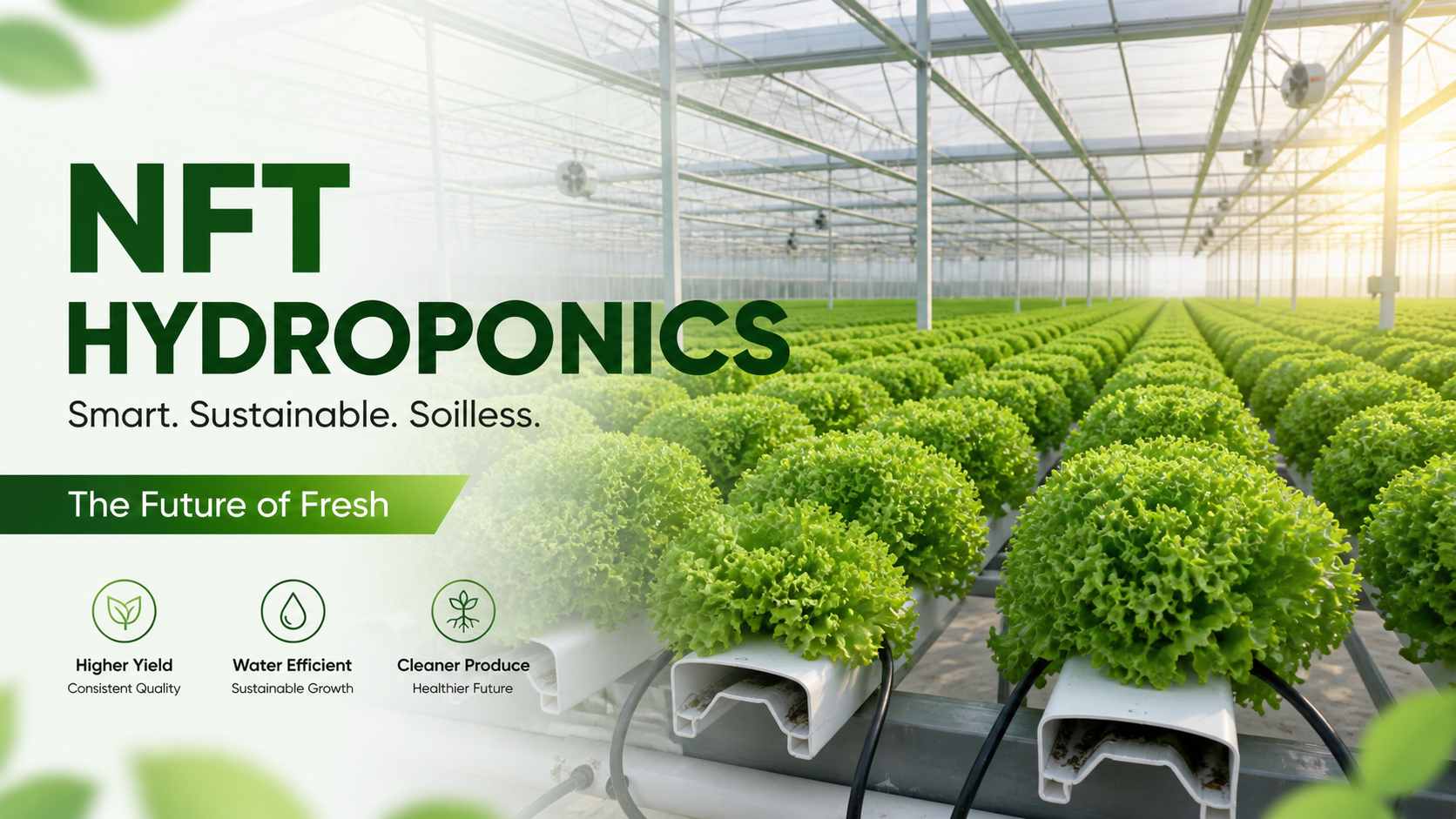
NFT hydroponic systems typically adopt a multi-layer three-dimensional planting architecture, with 3-6 layers of planting pipes stacked in the same vertical space. Although this design greatly increases the yield per unit area, it also brings a serious challenge: the natural light received by the lower crops is greatly reduced.
Light attenuation in different planting layers (measured data)
The effect of planting layers relative to natural light intensity on yield
Top layer (directly exposed to light) grows 100% normally
The second layer has a slight reduction of 60% -70% in production
The third layer significantly reduces production by 40% -50%
The fourth layer shows severe yield reduction of 25% -35%, with thin leaves and light colors
The fifth layer and below<20% cannot grow normally, and the quality is extremely poor
Conclusion: In multi-layer NFT planting systems, without proper artificial lighting, the yield and quality of lower level crops will significantly decrease. Therefore, scientific light source configuration is the core prerequisite for NFT three-dimensional planting mode to achieve the "high-yield myth".
2、 Core parameters of plant photosynthesis and light environment
1. Light intensity (PPFD: photosynthetic photon flux density)
Definition: The number of photosynthetically active photons received per second per unit area, measured in μ mol/m ²/s.
The optimal light intensity for leafy vegetables is 200-300 μ mol/m ²/s (during the growth period).
Nursery period: 100-150 μ mol/m ²/s, to avoid excessive light intensity that can burn the seedlings.
Low light intensity: thin leaves, light color, thin and weak stems, resulting in a decrease in yield.
Excessive light intensity: leaf burns, decreased photosynthetic efficiency (photoinhibition), and even "burning of leaves".
2. Light quality (spectral ratio)
Red light (660nm): the core wavelength of photosynthesis, promoting leaf extension and stem elongation, accounting for 60% -70% of light distribution.
Blue light (450nm): promotes chlorophyll synthesis, stomatal opening, leaf thickening, inhibits elongation, accounting for 20% -30% of light distribution.
Green light (520nm): Strong penetration, can reach the lower leaves, improve overall photosynthetic efficiency, accounting for 5% -10% of the light distribution ratio.
Far red light (730nm): regulates light morphogenesis, promotes leaf extension, and improves crop morphology.
UV-A (365nm): promotes the accumulation of secondary metabolites, enhances nutritional value and stress resistance.
3. Photoperiod
Definition: Daily duration of light exposure.
The optimal photoperiod for leafy vegetables is 14-18 hours of light exposure/6-10 hours of darkness.
Excessive light exposure: increases energy consumption and may cause blade burns.
Short light exposure: Insufficient accumulation of photosynthetic products, resulting in a decrease in yield.
Special varieties: Long day crops (such as spinach) require appropriate extension of light exposure; Short day crops should pay attention to controlling the duration of light to prevent bolting.
4. Uniformity of light
Definition: The difference in light intensity at different positions within the same planting layer.
Requirement: The difference in PPFD within the same layer should not exceed ± 10%.
Meaning: The uniformity of light determines whether the growth of crops is uniform and directly affects the commodity yield and harvesting efficiency.
In traditional greenhouses, natural light is greatly influenced by season, latitude, and weather. NFT hydroponic systems often face the natural weakness of "insufficient light in the lower layer" due to their high-density and multi-layered three-dimensional planting characteristics. Plant factories or all-weather supplementary greenhouses rely entirely on artificial light sources to provide the light energy needed for crop growth.
What kind of light source should I choose? How to configure the light formula? How to dynamically adjust the light environment based on the growth stage of crops? The answers to these questions directly determine whether your NFT hydroponic project can achieve the goals of "high yield, high quality, and high efficiency".
As a member unit of the Facility Agriculture Association with 16 independent intellectual property rights and three major product lines of DFT/NFT/plant factories, LEAFYMAN Technology has accumulated rich technical reserves and practical experience in NFT hydroponic system light source configuration and light environment regulation. Today, we will systematically dismantle the light source technology of NFT hydroponic systems for you, helping you find the most suitable light formula.
1、 Why is light so important for NFT hydroponic systems?
NFT hydroponic systems typically adopt a multi-layer three-dimensional planting architecture, with 3-6 layers of planting pipes stacked in the same vertical space. Although this design greatly increases the yield per unit area, it also brings a serious challenge: the natural light received by the lower crops is greatly reduced.
Light attenuation in different planting layers (measured data)
The effect of planting layers relative to natural light intensity on yield
Top layer (directly exposed to light) grows 100% normally
The second layer has a slight reduction of 60% -70% in production
The third layer significantly reduces production by 40% -50%
The fourth layer shows severe yield reduction of 25% -35%, with thin leaves and light colors
The fifth layer and below<20% cannot grow normally, and the quality is extremely poor
Conclusion: In multi-layer NFT planting systems, without proper artificial lighting, the yield and quality of lower level crops will significantly decrease. Therefore, scientific light source configuration is the core prerequisite for NFT three-dimensional planting mode to achieve the "high-yield myth".
2、 Core parameters of plant photosynthesis and light environment
1. Light intensity (PPFD: photosynthetic photon flux density)
Definition: The number of photosynthetically active photons received per second per unit area, measured in μ mol/m ²/s.
The optimal light intensity for leafy vegetables is 200-300 μ mol/m ²/s (during the growth period).
Nursery period: 100-150 μ mol/m ²/s, to avoid excessive light intensity that can burn the seedlings.
Low light intensity: thin leaves, light color, thin and weak stems, resulting in a decrease in yield.
Excessive light intensity: leaf burns, decreased photosynthetic efficiency (photoinhibition), and even "burning of leaves".
2. Light quality (spectral ratio)
Red light (660nm): the core wavelength of photosynthesis, promoting leaf extension and stem elongation, accounting for 60% -70% of light distribution.
Blue light (450nm): promotes chlorophyll synthesis, stomatal opening, leaf thickening, inhibits elongation, accounting for 20% -30% of light distribution.
Green light (520nm): Strong penetration, can reach the lower leaves, improve overall photosynthetic efficiency, accounting for 5% -10% of the light distribution ratio.
Far red light (730nm): regulates light morphogenesis, promotes leaf extension, and improves crop morphology.
UV-A (365nm): promotes the accumulation of secondary metabolites, enhances nutritional value and stress resistance.
3. Photoperiod
Definition: Daily duration of light exposure.
The optimal photoperiod for leafy vegetables is 14-18 hours of light exposure/6-10 hours of darkness.
Excessive light exposure: increases energy consumption and may cause blade burns.
Short light exposure: Insufficient accumulation of photosynthetic products, resulting in a decrease in yield.
Special varieties: Long day crops (such as spinach) require appropriate extension of light exposure; Short day crops should pay attention to controlling the duration of light to prevent bolting.
4. Uniformity of light
Definition: The difference in light intensity at different positions within the same planting layer.
Requirement: The difference in PPFD within the same layer should not exceed ± 10%.
Meaning: The uniformity of light determines whether the growth of crops is uniform and directly affects the commodity yield and harvesting efficiency.