
Academic
NFT hydroponic system growth environment analysis: Yecai Xia technology helps you create an efficien
作者: 时间: 2026-08-22
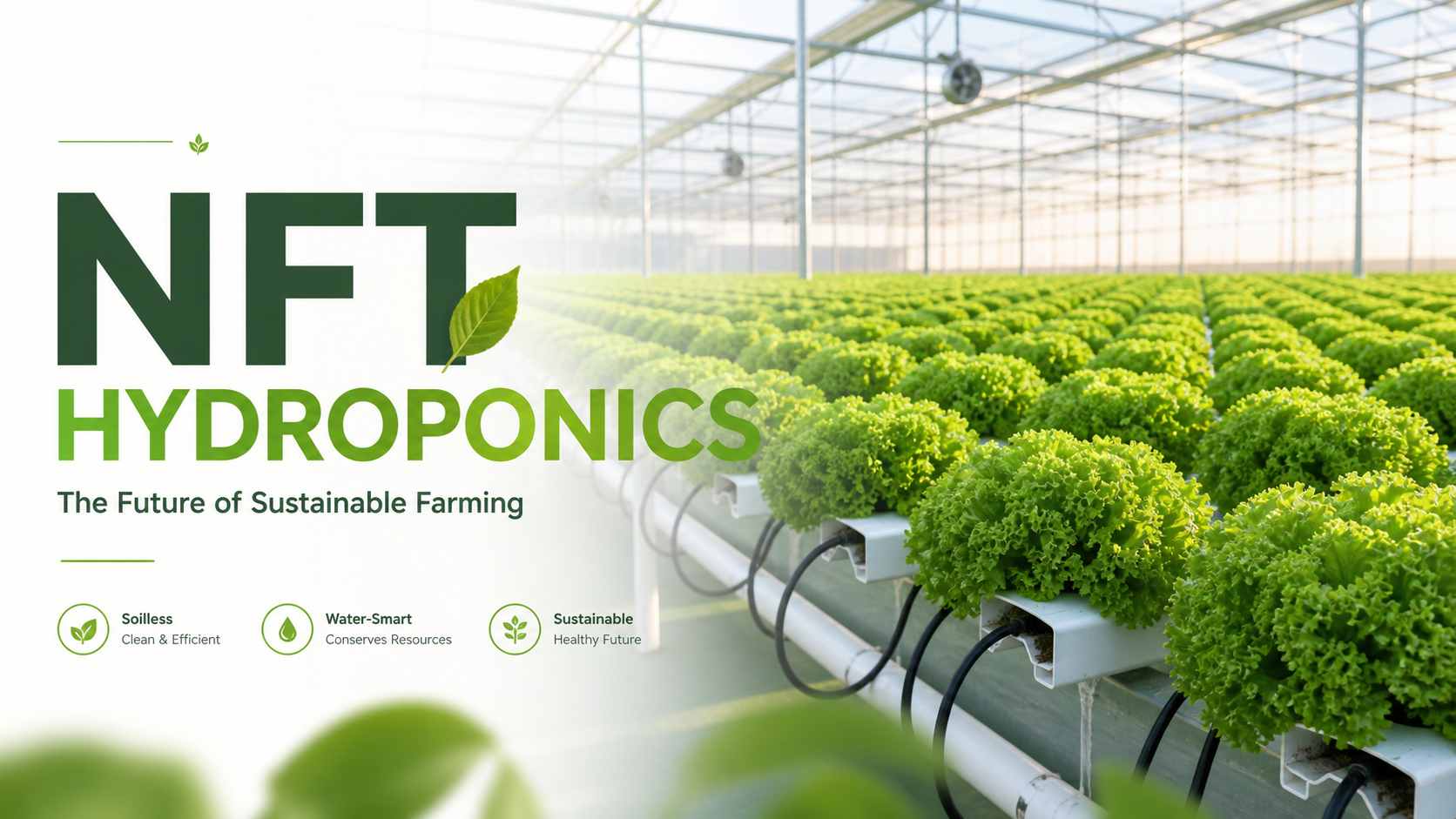
The reason why NFT (Nutrient Liquid Membrane Technology) hydroponic system can achieve rapid growth and high-quality output of leafy vegetables is that it creates a microenvironment of "water vapor fusion" for crop roots. However, compared with soil cultivation and deep flow (DFT) systems, NFT systems have a very small total nutrient solution, weaker buffering capacity, and are extremely sensitive to environmental changes.
It can be said that in NFT hydroponic projects, the accuracy of growth environment control directly determines yield, quality, and return on investment.
So, what kind of growth environment does NFT hydroponic system need? How to scientifically control light, temperature, humidity, CO ₂, and nutrient solution parameters? As a member unit of the Facility Agriculture Association with 16 independent intellectual property rights and three major product lines of DFT/NFT/plant factories, LEAFYMAN Technology will combine its experience from over 400 projects worldwide to comprehensively dismantle the environmental control points of NFT hydroponic systems for you.
1、 NFT hydroponic systems require higher environmental control standards
Before understanding the specific parameters, we need to first recognize the environmental sensitivity of NFT systems:
Low total amount of nutrient solution: The liquid film of NFT system is only 1-2 millimeters, and the total amount of nutrient solution is less than 1/5 of DFT system. Therefore, parameters such as liquid temperature, EC, pH fluctuate faster and require more accurate monitoring.
Root exposed to air: half of the root is in the liquid film and the other half is in the air. Therefore, air temperature, humidity, and airflow velocity can directly affect root vitality and disease occurrence.
Weak buffering capacity: In the event of equipment failure or environmental changes, crops are affected much faster than DFT systems.
These characteristics determine that NFT systems must be closely integrated with intelligent environmental control systems in order to leverage their rapid growth advantages.
2、 Core environmental element one: Lighting - the "energy engine" of crops
The photosynthesis of leafy vegetables in NFT hydroponics directly determines their growth rate. Insufficient light, thin leaves, and low yield; Excessive light exposure may lead to leaf burning and fibrosis.
1. Light intensity (PPFD)
Nursery period: 100-150 μ mol/m ²/s
Growth period: 200-250 μ mol/m ²/s
Summer greenhouse needs shading: avoid exceeding 300 μ mol/m ²/s to prevent high temperature stress.
2. Light quality
Red blue light ratio (R: B): For leafy vegetables, it is recommended to have a ratio of 4:1 to 6:1.
Supplementing green light: can improve the quality of leafy vegetables and make the leaves thicker.
Suggestion from Ye Caixia Technology: In artificial light plant factories, it is recommended to use full spectrum LED, combined with red and blue light enhancement, to achieve rapid growth and good appearance.
3. Optical period
Lettuce/leafy vegetables: 16 hours of light exposure/8 hours of darkness.
Long day crops (such as spinach): It is necessary to extend the light exposure time to 18 hours appropriately, but be careful to prevent bolting.
3、 Core environmental element two: temperature - the "master switch" that determines physiological activity
Temperature directly affects enzyme activity, root absorption capacity, and respiratory consumption. NFT systems are equally sensitive to temperature and liquid temperature.
1. Temperature (air temperature)
Optimal range: 18-22 ℃ during the day and 12-16 ℃ at night.
Exceeding 25 ℃: Leafy vegetables are prone to overgrowth, thinning of leaves, and increased bitterness.
Below 10 ℃: growth stagnates and root absorption capacity decreases.
Suggestion from Ye Caixia Technology: Install shading nets inside and outside the greenhouse, wet curtain fans, and circulating fans to achieve temperature control throughout the year.
2. Liquid temperature (nutrient solution temperature)
Optimal range: 15-20 ℃.
Exceeding 25 ℃: Dissolved oxygen decreases and roots are prone to rot.
Below 12 ℃: Slow root metabolism, hindered absorption of phosphorus and calcium.
Yecai Xia Technology Solution: Using a nutrient solution temperature regulating unit, the storage tank is cooled during high temperature seasons and heated during winter to maintain a constant liquid temperature.
4、 Core environmental element three: humidity - the balance point between disease and growth
The air humidity around the root system of NFT system is relatively high, but if the air humidity inside the greenhouse is too high, it is easy to induce gray mold and downy mildew.
1. Relative humidity of the air
Optimal range: 60% -75%.
Less than 50%: Rapid transpiration of leaves, high water absorption pressure on roots, and easy wilting.
Exceeding 85%: Leaf condensation and a sudden increase in disease risk.
Suggestion from Yecai Xia Technology: Ensure proper ventilation, use dehumidifiers or internal circulation fans to avoid prolonged moisture on the surface of plants.
2. Rhizosphere humidity
The NFT pipeline should be in a state of "high humidity but no water accumulation", with continuous flow of liquid film and no deep soaking of roots.
Yecai Xia Technology patented flow channel design: ensures uniform liquid film and smooth air circulation at the root to avoid root rot.
It can be said that in NFT hydroponic projects, the accuracy of growth environment control directly determines yield, quality, and return on investment.
So, what kind of growth environment does NFT hydroponic system need? How to scientifically control light, temperature, humidity, CO ₂, and nutrient solution parameters? As a member unit of the Facility Agriculture Association with 16 independent intellectual property rights and three major product lines of DFT/NFT/plant factories, LEAFYMAN Technology will combine its experience from over 400 projects worldwide to comprehensively dismantle the environmental control points of NFT hydroponic systems for you.
1、 NFT hydroponic systems require higher environmental control standards
Before understanding the specific parameters, we need to first recognize the environmental sensitivity of NFT systems:
Low total amount of nutrient solution: The liquid film of NFT system is only 1-2 millimeters, and the total amount of nutrient solution is less than 1/5 of DFT system. Therefore, parameters such as liquid temperature, EC, pH fluctuate faster and require more accurate monitoring.
Root exposed to air: half of the root is in the liquid film and the other half is in the air. Therefore, air temperature, humidity, and airflow velocity can directly affect root vitality and disease occurrence.
Weak buffering capacity: In the event of equipment failure or environmental changes, crops are affected much faster than DFT systems.
These characteristics determine that NFT systems must be closely integrated with intelligent environmental control systems in order to leverage their rapid growth advantages.
2、 Core environmental element one: Lighting - the "energy engine" of crops
The photosynthesis of leafy vegetables in NFT hydroponics directly determines their growth rate. Insufficient light, thin leaves, and low yield; Excessive light exposure may lead to leaf burning and fibrosis.
1. Light intensity (PPFD)
Nursery period: 100-150 μ mol/m ²/s
Growth period: 200-250 μ mol/m ²/s
Summer greenhouse needs shading: avoid exceeding 300 μ mol/m ²/s to prevent high temperature stress.
2. Light quality
Red blue light ratio (R: B): For leafy vegetables, it is recommended to have a ratio of 4:1 to 6:1.
Supplementing green light: can improve the quality of leafy vegetables and make the leaves thicker.
Suggestion from Ye Caixia Technology: In artificial light plant factories, it is recommended to use full spectrum LED, combined with red and blue light enhancement, to achieve rapid growth and good appearance.
3. Optical period
Lettuce/leafy vegetables: 16 hours of light exposure/8 hours of darkness.
Long day crops (such as spinach): It is necessary to extend the light exposure time to 18 hours appropriately, but be careful to prevent bolting.
3、 Core environmental element two: temperature - the "master switch" that determines physiological activity
Temperature directly affects enzyme activity, root absorption capacity, and respiratory consumption. NFT systems are equally sensitive to temperature and liquid temperature.
1. Temperature (air temperature)
Optimal range: 18-22 ℃ during the day and 12-16 ℃ at night.
Exceeding 25 ℃: Leafy vegetables are prone to overgrowth, thinning of leaves, and increased bitterness.
Below 10 ℃: growth stagnates and root absorption capacity decreases.
Suggestion from Ye Caixia Technology: Install shading nets inside and outside the greenhouse, wet curtain fans, and circulating fans to achieve temperature control throughout the year.
2. Liquid temperature (nutrient solution temperature)
Optimal range: 15-20 ℃.
Exceeding 25 ℃: Dissolved oxygen decreases and roots are prone to rot.
Below 12 ℃: Slow root metabolism, hindered absorption of phosphorus and calcium.
Yecai Xia Technology Solution: Using a nutrient solution temperature regulating unit, the storage tank is cooled during high temperature seasons and heated during winter to maintain a constant liquid temperature.
4、 Core environmental element three: humidity - the balance point between disease and growth
The air humidity around the root system of NFT system is relatively high, but if the air humidity inside the greenhouse is too high, it is easy to induce gray mold and downy mildew.
1. Relative humidity of the air
Optimal range: 60% -75%.
Less than 50%: Rapid transpiration of leaves, high water absorption pressure on roots, and easy wilting.
Exceeding 85%: Leaf condensation and a sudden increase in disease risk.
Suggestion from Yecai Xia Technology: Ensure proper ventilation, use dehumidifiers or internal circulation fans to avoid prolonged moisture on the surface of plants.
2. Rhizosphere humidity
The NFT pipeline should be in a state of "high humidity but no water accumulation", with continuous flow of liquid film and no deep soaking of roots.
Yecai Xia Technology patented flow channel design: ensures uniform liquid film and smooth air circulation at the root to avoid root rot.