
Academic
Three Core Advantages of NFT Hydroponic Systems (Nutrient Film Technique): Decoding the "Lightw
作者: 时间: 2026-07-04
The Engineering Anatomy of NFT Hydroponics: The Technical Foundation for Next-Generation High-Density Vertical Farming
In the diversified layout of modern Controlled Environment Agriculture (CEA) and smart plant factories, the Nutrient Film Technique (NFT Hydroponic System)—by virtue of its unique fluid dynamics characteristics—has established itself as the absolute core of multi-tier, high-density cultivation for high-value dwarf leafy greens and high-value-added berries (such as strawberries) worldwide. Distinct from the water-storage ballast mode of traditional Deep Water Culture (DFT), the technical soul of NFT lies in "flowing a few millimeters of an ultra-thin nutrient solution film over the crop roots at a constant velocity." It is this precise layer of thin liquid film that constructs the technological bedrock of next-generation high-efficiency, precision, and lightweight protected agriculture through the ultimate regulation of the rhizosphere microenvironment, dynamic nutrient response, and structural load.
I. Core Advantage I: Ultimate Rhizosphere "Aero-Hydro Coupling" & Maximization of Respiratory Metabolism
In traditional hydroponics and substrate cultivation, plant root systems constantly face an irreconcilable contradiction: excessive watering or submersion leads to hypoxia and root rot, whereas pursuing breathability easily causes water deficits and desiccation. The NFT system completely conquers this pain point through the meticulous design of water-flow physical morphology.
Natural "Hydro-Atmospheric Layering" Respiratory Architecture: Inside specialized NFT cultivation channels, under the dual action of gravity and a precise micro-slope (typically 1:30 to 1:40), the nutrient solution flows at high velocity across the channel floor as an ultra-thin film just a few millimeters deep. Because the liquid film is exceptionally thin, the crop root systems naturally develop a distinct layered structure: the lower half of the root system is fully submerged in the high-velocity flowing nutrient film, taking charge of highly efficient water and fertilizer uptake; the upper half of the root system is completely exposed to the humid air within the cultivation channel, directly and unhinderedly respiring high concentrations of oxygen.
Multi-Dimensional Dissolved Oxygen & Surging Physiological Metabolism: The ultra-thin water film possesses an immense surface area in contact with the air, which allows the liquid itself to automatically achieve highly efficient, high-frequency natural dissolved oxygen during its glide. This natural aero-hydro coupling mechanism of "respiring oxygen at the top, absorbing water and fertilizer at the bottom" eliminates the Boundary Layer Effect of root respiration. This accelerates the physiological metabolic rate of leafy greens and strawberries by over 25% compared to conventional cultivation, entirely eliminating root asphyxiation and necrosis caused by long-term stagnant water.
II. Core Advantage II: Ultra-Low System Hydro-Load & Millisecond-Level Dynamic Nutrient Response
Because Deep Water Culture (DFT) systems contain massive volumes of water, modifying formulas or controlling temperature is like "turning a giant ship"—the reaction is extremely slow. In contrast, the NFT system "breaks the whole into parts," condensing a massive water body into a flowing thin film, which brings disruptive advantages for intelligent control.
Minimal Thermal Inertia & Precision Temperature Control: Since virtually no excess water is stored inside the NFT cultivation channels, the total water retention of the entire system is minimal. This means that when the external environment fluctuates drastically, operations such as heating, cooling, or UV disinfection applied to the nutrient solution via the central reservoir can be rapidly transmitted to the root tips of every single plant within minutes, consuming minimal energy.
Dynamic Formula Adjustments Based on IoT Edge Computing: The lightweight water body makes the regulation of nutrient concentrations exceptionally agile. Modern industrial-grade NFT systems typically deploy high-frequency online EC/pH sensors and single-ion quantum monitoring networks at the drainage end and the main reservoir. An intelligent irrigation brain driven by Edge Computing can adjust the formula concentration for the next cycle down to the millisecond level, based on the current greenhouse Daily Light Integral (DLI) and transpiration rates. Whether replenishing micro-elements or switching formulas between growth stages, the system achieves "instant execution upon adjustment," driving water and fertilizer utilization efficiency to an extreme savings rate of over 98%.
III. Core Advantage III: Ultra-Lightweight Physical Self-Weight & A Leap in Multi-Tier Spatial Utilization
In commercial plant factory operations, the yield per square meter of land directly determines the project's Return on Investment (ROI). The NFT hydroponic system, with its ultimate lightweight physical attributes, has become the premier technology for multi-tier Vertical Farming.
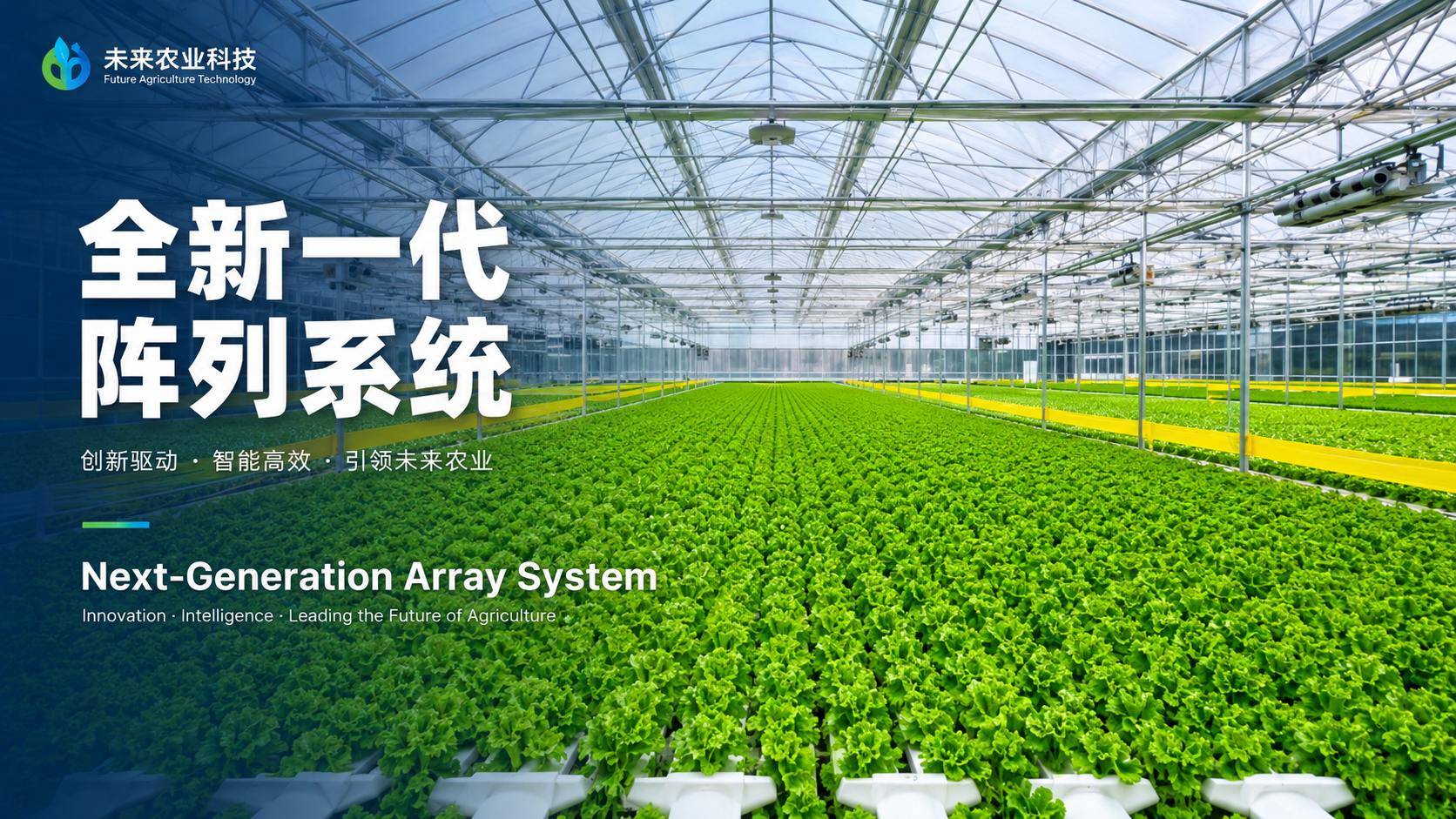
Structural Lightweighting Breaking the Shackles of Gravity: Because the cultivation channels contain only a few millimeters of water film, the overall operational weight of the entire line is incredibly light. Channels are mostly fabricated from food-grade modified polymers or lightweight aluminum alloys. Compared to Deep Water Culture systems—which often feature giant concrete or metal tanks dozens of centimeters deep with floor loads reaching hundreds of kilograms per square meter—the NFT system reduces the floor load requirements on the greenhouse skeleton and supporting steel structures by more than 80%.
High-Density Multi-Tier A-Frame & Suspended Spatial Restructuring: Leveraging this low-load advantage, NFT can easily be constructed into vertical A-frames, multi-tier vertical shelving, or overhead suspended logistics systems. Coordinated with intelligent light environment formulas (LED grow lights) and automated tier-height fine-tuning technologies, the NFT system directly scales the effective cultivation area and unit-area yield by 3 to 5 times without expanding the greenhouse footprint, drastically diluting the marginal costs of greenhouse civil engineering and daily operations.
In the diversified layout of modern Controlled Environment Agriculture (CEA) and smart plant factories, the Nutrient Film Technique (NFT Hydroponic System)—by virtue of its unique fluid dynamics characteristics—has established itself as the absolute core of multi-tier, high-density cultivation for high-value dwarf leafy greens and high-value-added berries (such as strawberries) worldwide. Distinct from the water-storage ballast mode of traditional Deep Water Culture (DFT), the technical soul of NFT lies in "flowing a few millimeters of an ultra-thin nutrient solution film over the crop roots at a constant velocity." It is this precise layer of thin liquid film that constructs the technological bedrock of next-generation high-efficiency, precision, and lightweight protected agriculture through the ultimate regulation of the rhizosphere microenvironment, dynamic nutrient response, and structural load.
I. Core Advantage I: Ultimate Rhizosphere "Aero-Hydro Coupling" & Maximization of Respiratory Metabolism
In traditional hydroponics and substrate cultivation, plant root systems constantly face an irreconcilable contradiction: excessive watering or submersion leads to hypoxia and root rot, whereas pursuing breathability easily causes water deficits and desiccation. The NFT system completely conquers this pain point through the meticulous design of water-flow physical morphology.
Natural "Hydro-Atmospheric Layering" Respiratory Architecture: Inside specialized NFT cultivation channels, under the dual action of gravity and a precise micro-slope (typically 1:30 to 1:40), the nutrient solution flows at high velocity across the channel floor as an ultra-thin film just a few millimeters deep. Because the liquid film is exceptionally thin, the crop root systems naturally develop a distinct layered structure: the lower half of the root system is fully submerged in the high-velocity flowing nutrient film, taking charge of highly efficient water and fertilizer uptake; the upper half of the root system is completely exposed to the humid air within the cultivation channel, directly and unhinderedly respiring high concentrations of oxygen.
Multi-Dimensional Dissolved Oxygen & Surging Physiological Metabolism: The ultra-thin water film possesses an immense surface area in contact with the air, which allows the liquid itself to automatically achieve highly efficient, high-frequency natural dissolved oxygen during its glide. This natural aero-hydro coupling mechanism of "respiring oxygen at the top, absorbing water and fertilizer at the bottom" eliminates the Boundary Layer Effect of root respiration. This accelerates the physiological metabolic rate of leafy greens and strawberries by over 25% compared to conventional cultivation, entirely eliminating root asphyxiation and necrosis caused by long-term stagnant water.
II. Core Advantage II: Ultra-Low System Hydro-Load & Millisecond-Level Dynamic Nutrient Response
Because Deep Water Culture (DFT) systems contain massive volumes of water, modifying formulas or controlling temperature is like "turning a giant ship"—the reaction is extremely slow. In contrast, the NFT system "breaks the whole into parts," condensing a massive water body into a flowing thin film, which brings disruptive advantages for intelligent control.
Minimal Thermal Inertia & Precision Temperature Control: Since virtually no excess water is stored inside the NFT cultivation channels, the total water retention of the entire system is minimal. This means that when the external environment fluctuates drastically, operations such as heating, cooling, or UV disinfection applied to the nutrient solution via the central reservoir can be rapidly transmitted to the root tips of every single plant within minutes, consuming minimal energy.
Dynamic Formula Adjustments Based on IoT Edge Computing: The lightweight water body makes the regulation of nutrient concentrations exceptionally agile. Modern industrial-grade NFT systems typically deploy high-frequency online EC/pH sensors and single-ion quantum monitoring networks at the drainage end and the main reservoir. An intelligent irrigation brain driven by Edge Computing can adjust the formula concentration for the next cycle down to the millisecond level, based on the current greenhouse Daily Light Integral (DLI) and transpiration rates. Whether replenishing micro-elements or switching formulas between growth stages, the system achieves "instant execution upon adjustment," driving water and fertilizer utilization efficiency to an extreme savings rate of over 98%.
III. Core Advantage III: Ultra-Lightweight Physical Self-Weight & A Leap in Multi-Tier Spatial Utilization
In commercial plant factory operations, the yield per square meter of land directly determines the project's Return on Investment (ROI). The NFT hydroponic system, with its ultimate lightweight physical attributes, has become the premier technology for multi-tier Vertical Farming.
Structural Lightweighting Breaking the Shackles of Gravity: Because the cultivation channels contain only a few millimeters of water film, the overall operational weight of the entire line is incredibly light. Channels are mostly fabricated from food-grade modified polymers or lightweight aluminum alloys. Compared to Deep Water Culture systems—which often feature giant concrete or metal tanks dozens of centimeters deep with floor loads reaching hundreds of kilograms per square meter—the NFT system reduces the floor load requirements on the greenhouse skeleton and supporting steel structures by more than 80%.
High-Density Multi-Tier A-Frame & Suspended Spatial Restructuring: Leveraging this low-load advantage, NFT can easily be constructed into vertical A-frames, multi-tier vertical shelving, or overhead suspended logistics systems. Coordinated with intelligent light environment formulas (LED grow lights) and automated tier-height fine-tuning technologies, the NFT system directly scales the effective cultivation area and unit-area yield by 3 to 5 times without expanding the greenhouse footprint, drastically diluting the marginal costs of greenhouse civil engineering and daily operations.