
Academic
The Convergence of AI and Mechanical Automation
作者: 时间: 2026-07-26
As we move through 2026, the competitive edge in vertical farming has shifted from basic hardware to the "Intelligence Layer." For an enterprise like LEAFYMAN, which balances equipment manufacturing with biological expertise, the focus is on creating a self-correcting ecosystem.
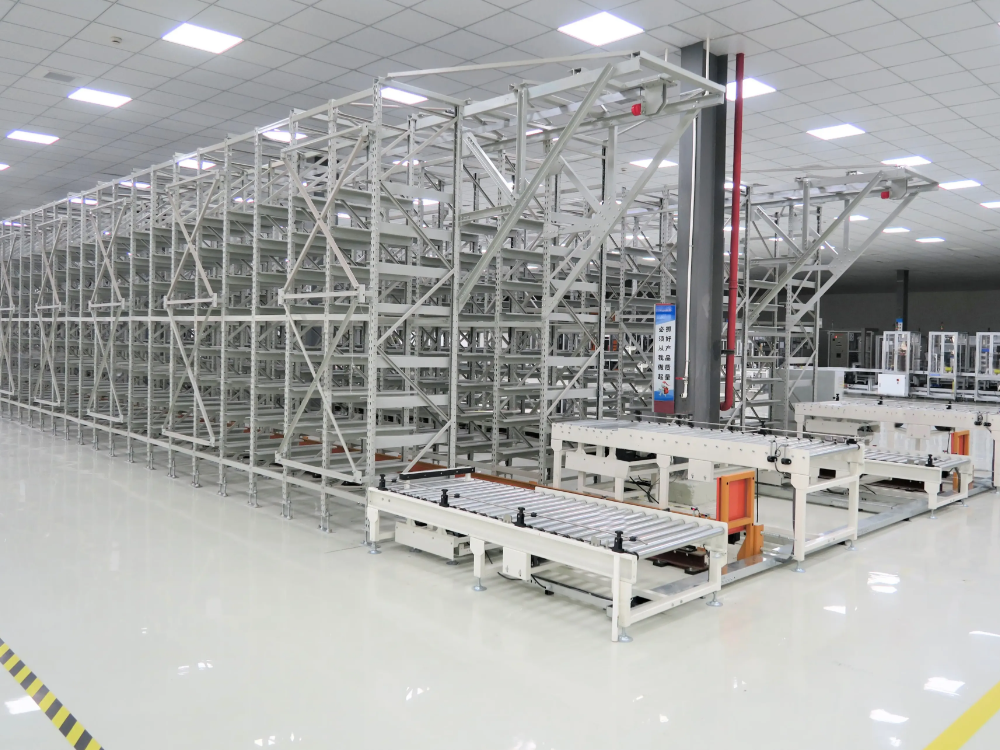
Autonomous Environmental Response Systems
Modern plant factories no longer rely on static climate settings. Instead, they utilize AI-driven sensor arrays that monitor leaf temperature, transpiration rates, and nutrient uptake in real-time. By applying machine learning to the vast datasets generated within the facility, the system can preemptively adjust LED intensity or CO2 concentrations before physiological stress becomes visible to the human eye. This proactive management ensures that the plant remains in its "optimal metabolic zone," maximizing biomass accumulation without wasting energy.
Robotic Integration in Leafy Green Logistics
The 30 million RMB scale of production necessitates a move away from manual labor in high-repetition tasks. Automated seeding, transplanting, and harvesting modules—specifically designed for the delicate structure of leafy greens—are becoming standard. These systems utilize Soft-Robotics and vision-guided actuators to handle crops with a precision that exceeds human capability, significantly reducing post-harvest bruising and extending shelf life for premium markets.
Section V: Strategic Market Positioning and "Agri-Financial" Compliance
Operating a large-scale herbal medicine and vegetable industrial chain requires more than just biological success; it requires a sophisticated financial and compliance framework to ensure long-term viability and investor confidence.
The Business Logic of "Technical Moats"
For high-tech agricultural firms, the valuation is increasingly tied to Intellectual Property (IP). Possessing 16 independent IP rights and specialized production processes allows a firm to license its technology globally. This creates a diversified revenue stream—moving beyond the sale of physical produce to the provision of "Farming-as-a-Service" (FaaS).
Financial Restructuring and ESG Integration
Within the current 2026 economic landscape, vertical farms are prime candidates for Green Bonds and sustainability-linked loans. By providing transparent data on water savings and zero-pesticide usage, enterprises can align with global ESG (Environmental, Social, and Governance) standards. This not only facilitates easier access to capital but also ensures that the profit management plan is resilient against future carbon taxes or environmental regulations.
Technical Summary & Conclusion
Vertical farming represents the final frontier of agricultural industrialization. By decoupling food production from the volatility of the natural world, it offers a blueprint for a secure, sustainable, and standardized food future. For leaders in the sector, the path forward involves the constant optimization of fluid dynamics, spectral recipes, and automated logistics.
In conclusion, the success of the vertical farming model hinges on the seamless integration of Biological Intelligence and Mechanical Precision. As we scale toward 2027, those who master the data-driven layers of the plant factory will define the standards for the global leafy green industry.
#VerticalFarming #AgTech #IndustryAnalysis #Automation #SustainableFinance
Autonomous Environmental Response Systems
Modern plant factories no longer rely on static climate settings. Instead, they utilize AI-driven sensor arrays that monitor leaf temperature, transpiration rates, and nutrient uptake in real-time. By applying machine learning to the vast datasets generated within the facility, the system can preemptively adjust LED intensity or CO2 concentrations before physiological stress becomes visible to the human eye. This proactive management ensures that the plant remains in its "optimal metabolic zone," maximizing biomass accumulation without wasting energy.
Robotic Integration in Leafy Green Logistics
The 30 million RMB scale of production necessitates a move away from manual labor in high-repetition tasks. Automated seeding, transplanting, and harvesting modules—specifically designed for the delicate structure of leafy greens—are becoming standard. These systems utilize Soft-Robotics and vision-guided actuators to handle crops with a precision that exceeds human capability, significantly reducing post-harvest bruising and extending shelf life for premium markets.
Section V: Strategic Market Positioning and "Agri-Financial" Compliance
Operating a large-scale herbal medicine and vegetable industrial chain requires more than just biological success; it requires a sophisticated financial and compliance framework to ensure long-term viability and investor confidence.
The Business Logic of "Technical Moats"
For high-tech agricultural firms, the valuation is increasingly tied to Intellectual Property (IP). Possessing 16 independent IP rights and specialized production processes allows a firm to license its technology globally. This creates a diversified revenue stream—moving beyond the sale of physical produce to the provision of "Farming-as-a-Service" (FaaS).
Financial Restructuring and ESG Integration
Within the current 2026 economic landscape, vertical farms are prime candidates for Green Bonds and sustainability-linked loans. By providing transparent data on water savings and zero-pesticide usage, enterprises can align with global ESG (Environmental, Social, and Governance) standards. This not only facilitates easier access to capital but also ensures that the profit management plan is resilient against future carbon taxes or environmental regulations.
Technical Summary & Conclusion
Vertical farming represents the final frontier of agricultural industrialization. By decoupling food production from the volatility of the natural world, it offers a blueprint for a secure, sustainable, and standardized food future. For leaders in the sector, the path forward involves the constant optimization of fluid dynamics, spectral recipes, and automated logistics.
In conclusion, the success of the vertical farming model hinges on the seamless integration of Biological Intelligence and Mechanical Precision. As we scale toward 2027, those who master the data-driven layers of the plant factory will define the standards for the global leafy green industry.
#VerticalFarming #AgTech #IndustryAnalysis #Automation #SustainableFinance