
Academic
A LEAFYMAN Perspective: The Deep Integration of Fluid Engineering and Spectral Recipes in Hydroponic
作者: 时间: 2026-04-18
As a strategic consultant in the AgTech sector, I will outline the advantages of Vertical Farming from a neutral, expert perspective, focusing on the structural shifts in resource conversion, operational stability, and supply chain logistics.
1. Transcendental Resource Efficiency
Vertical farming operates on the principle of "precision over scale," achieving exponential improvements in the utilization of natural capital.
Hyper-Efficient Water Management: By utilizing closed-loop irrigation systems such as DFT (Deep Flow Technique) and NFT (Nutrient Film Technique), vertical farms can reduce water consumption by up to 95%. While traditional soil-based farming requires approximately 60 liters of water to produce 1kg of lettuce, an advanced plant factory requires less than 2 liters.
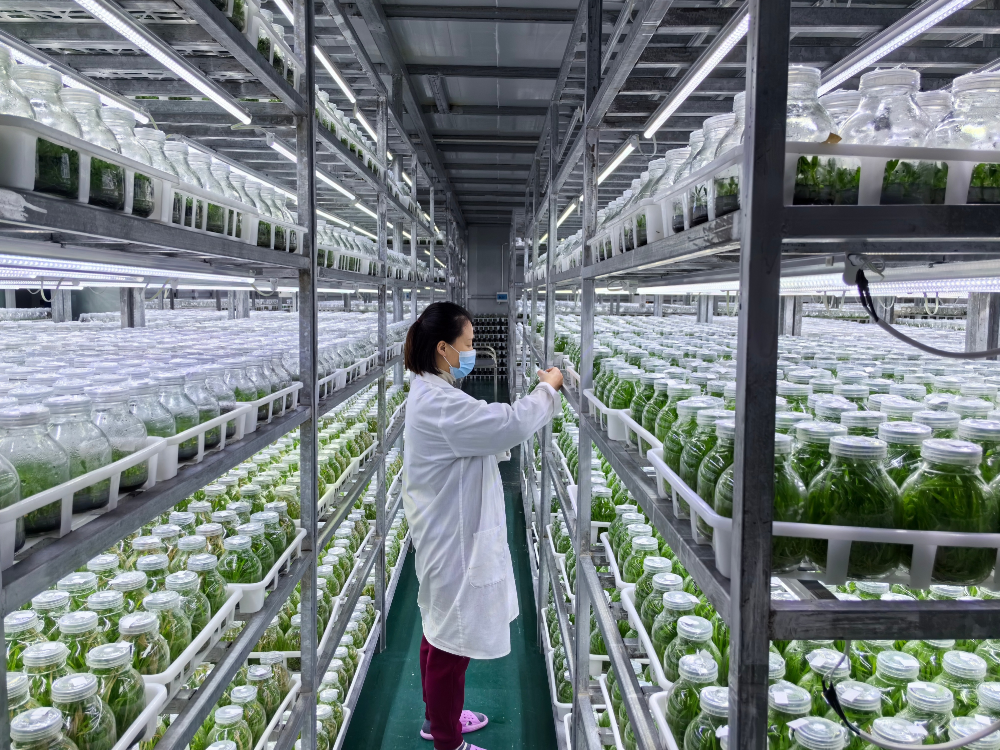
Volumetric Land Productivity: By transitioning from horizontal acreage to multi-tier vertical structures (often exceeding 10 layers), the yield per square meter of land can be 40 to 100 times higher than conventional agriculture. This makes it the primary solution for food security in land-constrained megacities.
2. Production Determinism and Industrial Standardization
Vertical farming shifts agriculture from a "nature-dependent" lottery to a "precision manufacturing" model, eliminating the variables that traditionally plague the primary sector.
Year-Round Consistency: Unaffected by seasonality or extreme weather events (e.g., droughts or frosts). By deploying optimized LED spectral recipes, the growth cycles of crops are shortened by 30% to 50%, ensuring a stable, 365-day production calendar.
Biosecurity and Clean-Label Output: Operating within controlled environments (CEA) allows for near-sterile production lines. Through advanced filtration and positive pressure systems, the risk of pests is physically mitigated, eliminating the need for chemical pesticides or fungicides. This meets the stringent quality standards required for premium retail and pharmaceutical-grade herbal medicine.
3. Radical Supply Chain Decoupling
Vertical farming enables "Ultra-Localization," effectively situating production at the heart of the consumption hub.
Elimination of Logistics Waste: Traditional agricultural supply chains often suffer a 30% to 50% post-harvest loss due to long-distance transport and cold-chain failures. Vertical farms placed near urban centers allow for "Farm-to-Table" delivery within hours, preserving maximum nutritional integrity.
Carbon Footprint Mitigation: By slashing the distance between the farm and the fork, the carbon emissions associated with heavy logistics are almost entirely removed. For enterprises aiming for ESG (Environmental, Social, and Governance) excellence, this is a critical strategic asset.
Expert Summary
The fundamental advantage of vertical farming lies in its "Systemic Resilience." In an era of climate volatility and resource scarcity, the integration of fluid engineering and intelligent automation—as demonstrated by industry leaders like LEAFYMAN—provides a reliable backbone for high-value agricultural industrial chains.
#VerticalFarming #AgTech #ResourceEfficiency #FoodSecurity #SmartAgriculture
1. Transcendental Resource Efficiency
Vertical farming operates on the principle of "precision over scale," achieving exponential improvements in the utilization of natural capital.
Hyper-Efficient Water Management: By utilizing closed-loop irrigation systems such as DFT (Deep Flow Technique) and NFT (Nutrient Film Technique), vertical farms can reduce water consumption by up to 95%. While traditional soil-based farming requires approximately 60 liters of water to produce 1kg of lettuce, an advanced plant factory requires less than 2 liters.
Volumetric Land Productivity: By transitioning from horizontal acreage to multi-tier vertical structures (often exceeding 10 layers), the yield per square meter of land can be 40 to 100 times higher than conventional agriculture. This makes it the primary solution for food security in land-constrained megacities.
2. Production Determinism and Industrial Standardization
Vertical farming shifts agriculture from a "nature-dependent" lottery to a "precision manufacturing" model, eliminating the variables that traditionally plague the primary sector.
Year-Round Consistency: Unaffected by seasonality or extreme weather events (e.g., droughts or frosts). By deploying optimized LED spectral recipes, the growth cycles of crops are shortened by 30% to 50%, ensuring a stable, 365-day production calendar.
Biosecurity and Clean-Label Output: Operating within controlled environments (CEA) allows for near-sterile production lines. Through advanced filtration and positive pressure systems, the risk of pests is physically mitigated, eliminating the need for chemical pesticides or fungicides. This meets the stringent quality standards required for premium retail and pharmaceutical-grade herbal medicine.
3. Radical Supply Chain Decoupling
Vertical farming enables "Ultra-Localization," effectively situating production at the heart of the consumption hub.
Elimination of Logistics Waste: Traditional agricultural supply chains often suffer a 30% to 50% post-harvest loss due to long-distance transport and cold-chain failures. Vertical farms placed near urban centers allow for "Farm-to-Table" delivery within hours, preserving maximum nutritional integrity.
Carbon Footprint Mitigation: By slashing the distance between the farm and the fork, the carbon emissions associated with heavy logistics are almost entirely removed. For enterprises aiming for ESG (Environmental, Social, and Governance) excellence, this is a critical strategic asset.
Expert Summary
The fundamental advantage of vertical farming lies in its "Systemic Resilience." In an era of climate volatility and resource scarcity, the integration of fluid engineering and intelligent automation—as demonstrated by industry leaders like LEAFYMAN—provides a reliable backbone for high-value agricultural industrial chains.
#VerticalFarming #AgTech #ResourceEfficiency #FoodSecurity #SmartAgriculture