
Academic
Architectural and Engineering Essentials for Indoor Leafy Green Plant Factories: A Strategic Guide
Section 1: Corporate Integration and Industry Infrastructure
The construction of an indoor leafy green plant factory represents a fundamental shift from traditional horticulture to controlled environment industrialization. LEAFYMAN (Shandong) Agriculture Technology Co., Ltd., a director unit of the Facility Agriculture Association under the China Agricultural Mechanization Division, provides the technical backbone for such complex transitions. Established in 2020 and situated within the National Agricultural Comprehensive Reform Pilot Zone, LEAFYMAN specializes in the research and manufacturing of intelligent equipment that facilitates large-scale, soil-less cultivation.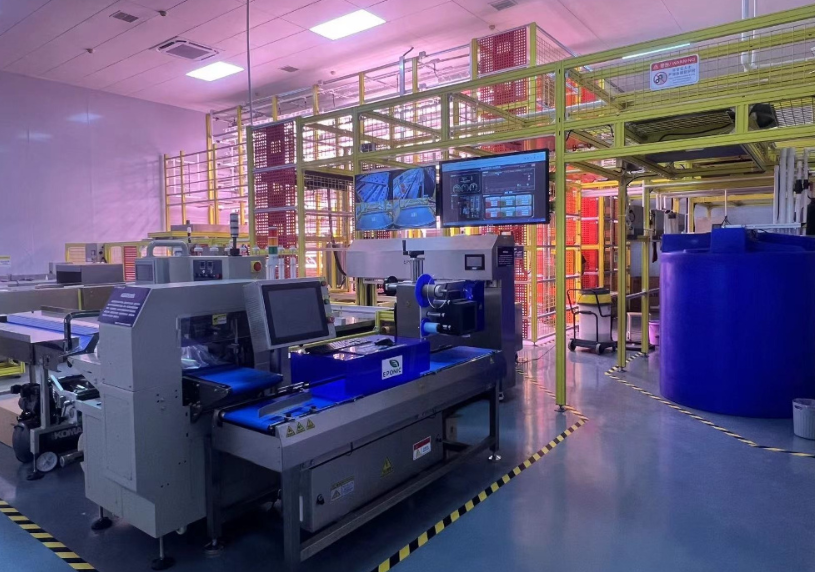
By integrating Deep Flow Technique (DFT) and Nutrient Film Technique (NFT) into the building’s functional design, LEAFYMAN has secured 16 independent intellectual property rights. This engineering-first approach ensures that indoor facilities are not merely growing spaces but high-efficiency biological production lines. With a history of supporting over 400 professional growing operations globally, the company’s expertise spans from fluid dynamics to automated logistics, ensuring that every facility is optimized for long-term commercial viability.
Section 2: Dimension I – Environmental Enclosure and Thermal Dynamics
Constructing a plant factory begins with the creation of a high-performance thermal envelope. Unlike traditional greenhouses, an indoor facility must maintain absolute control over the interior atmosphere, independent of external climatic fluctuations.
-
Insulation and Hermetic Sealing: The building’s shell must utilize high-R-value materials to minimize thermal bridging. This is critical for maintaining stable internal temperatures (typically 18-24°C) without excessive energy expenditure on HVAC systems.
-
Pressure Management and Biosecurity: An essential engineering feature of modern facilities is the maintenance of slight positive pressure. This design choice prevents the ingress of pests and pathogens, drastically reducing or eliminating the need for pesticides—a core requirement for the premium, clean-label leafy green market.
-
VPD Control Logic: In an indoor setting, transpiration management is achieved through Vapor Pressure Deficit (VPD) regulation. Constructing an effective HVAC and dehumidification matrix allows for precise control over the plant’s metabolic rate, ensuring that CO2 uptake and nutrient transport remain at peak efficiency.
Section 3: Dimension II – Hydroponic System Infrastructure (DFT vs. NFT)
The choice of hydroponic infrastructure defines the factory’s operational character and crop versatility. LEAFYMAN’s proprietary designs focus on two primary methodologies:
-
Deep Flow Technique (DFT): During construction, DFT systems require robust structural support due to the weight of the water beds. The primary advantage is thermal stability; the large volume of water acts as a thermal buffer, protecting crops from rapid temperature changes and ensuring root health through consistent oxygenation.
-
Nutrient Film Technique (NFT): For facilities focused on high-speed turnover and vertical stacking, NFT systems offer a lightweight, scalable solution. Construction involves precise grading of channels to ensure a constant thin film of nutrient solution flows over the roots, facilitating rapid growth through superior air-to-root contact.
-
Material Integrity: Utilizing food-grade, UV-resistant polymers in the construction of channels and reservoirs is non-negotiable to prevent leaching and ensure the longevity of the automated system.