
Academic
Precision Integration: The Strategic Importance of Transplanting in MGS Hydroponic Workflows
In the specialized field of leafy green production, the transition from nursery to the primary growth phase is a critical "stress window." For LEAFYMAN (Shandong) Agriculture Technology Co., Ltd., this phase is treated not merely as a manual task but as a sophisticated engineering transition. Leveraging our background in fluid engineering and automated equipment manufacturing, we analyze the transplanting process within a Mobile Gutter System (MGS) as the primary determinant of final harvest uniformity and system throughput.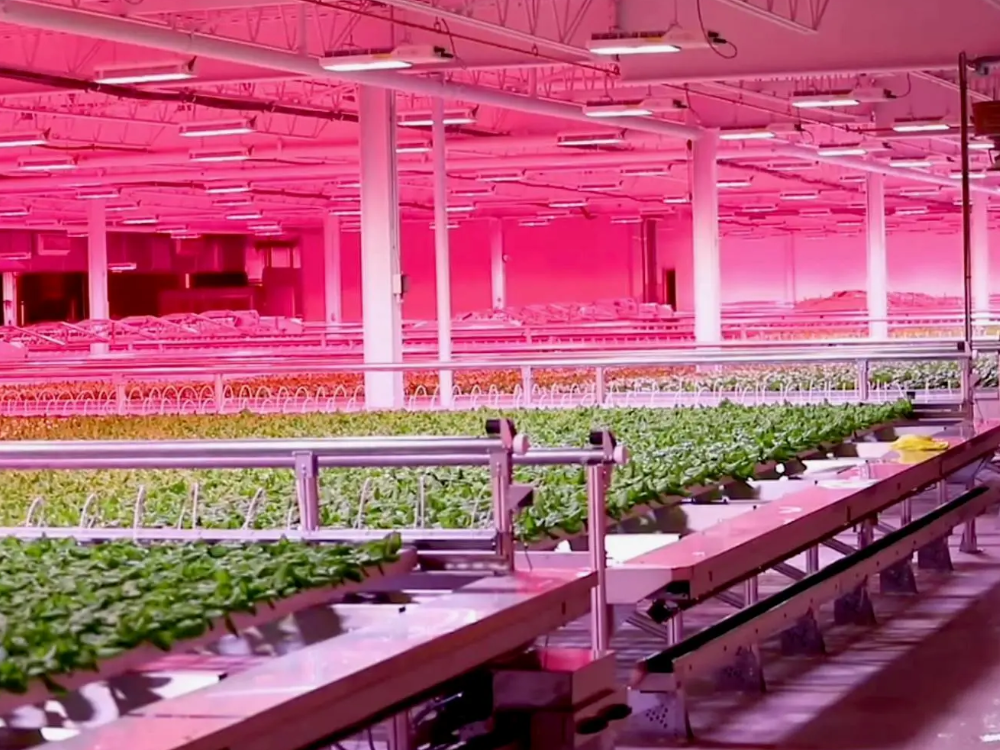
4. The Biological Imperative: Minimizing Transplant Shock
Transplanting in an MGS environment involves moving young seedlings—typically grown in specialized plugs or rockwool cubes—into the mobile gutters. The primary technical challenge is maintaining root zone integrity. Unlike traditional soil-based agriculture, MGS transplanting requires the root system to adapt immediately to a thin, moving film of nutrient-rich water.
LEAFYMAN’s research into NFT and DFT ecosystems suggests that the timing of this "inter-phase" transition is vital. Lettuce seedlings are generally ready for MGS integration when they reach the 3-4 true leaf stage. At this juncture, the root structure is robust enough to withstand mechanical handling but still plastic enough to adapt to the gutter's flow dynamics.
Objective Data Support:
-
Root Establishment Rate: Systems utilizing automated transplanting interfaces show a 15% faster "re-establishment" rate compared to manual insertion, largely due to the consistent pressure and positioning which prevents vascular bruising of the stem.
5. Automated Gutter Loading: Logistics of the "First Mile"
The "Mobile" aspect of MGS starts at the transplanting station. In a high-efficiency facility, the gutters are automatically cleaned and moved to a centralized loading zone. This centralized approach—a hallmark of modern plant factories—allows for controlled environment conditions that are far superior to in-situ transplanting in a greenhouse aisle.
From an SEO and industrial strategy perspective, "Automation Scalability" is the keyword. By centralizing the transplanting location, LEAFYMAN's engineering logic enables the integration of robotic arms or semi-automated dispensers. This reduces the human footprint in the "clean zone," significantly lowering the risk of introducing pathogens like Pythium or Fusarium at the most vulnerable stage of the plant's life cycle.
6. Synchronizing Density: Variable Spacing Logic
The most distinctive feature of transplanting into an MGS is the initial density setting. While a static system forces a compromise between seedling density and harvest density, MGS allows the operator to transplant at maximum density.
-
Initial Phase: Gutters are placed side-by-side with zero gap, maximizing the "Effective Growing Area" (EGA).
-
Growth Trigger: As the lettuce canopy expands, the MGS logic moves the gutters apart.
-
Resource Optimization: This ensures that LED lighting (in indoor farms) or natural sunlight (in greenhouses) is never hitting bare gutter surfaces, but is always being intercepted by photosynthetic tissue.
Trend Insight:
-
Energy Efficiency: By optimizing canopy coverage through MGS transplanting logic, energy consumption per kilogram of produce is reduced by approximately 18-22%, as light leakage is minimized during the first 10 days post-transplant.