
Hydroponic system
DFT deep flow floating hydroponic system
作者: 时间: 2026-02-09
DFT (Deep Flow Technique), also known as the "Deep Flow Floating Hydroponic System" in Chinese, is a soil-free cultivation technology. Its core lies in allowing plant roots to be suspended in a flowing nutrient solution with a depth of 10-30 cm for an extended period. Plants are fixed using floating boards or planting cups, and the circulating nutrient solution provides water, mineral nutrients, and oxygen, enabling efficient, controllable, and large-scale crop production.
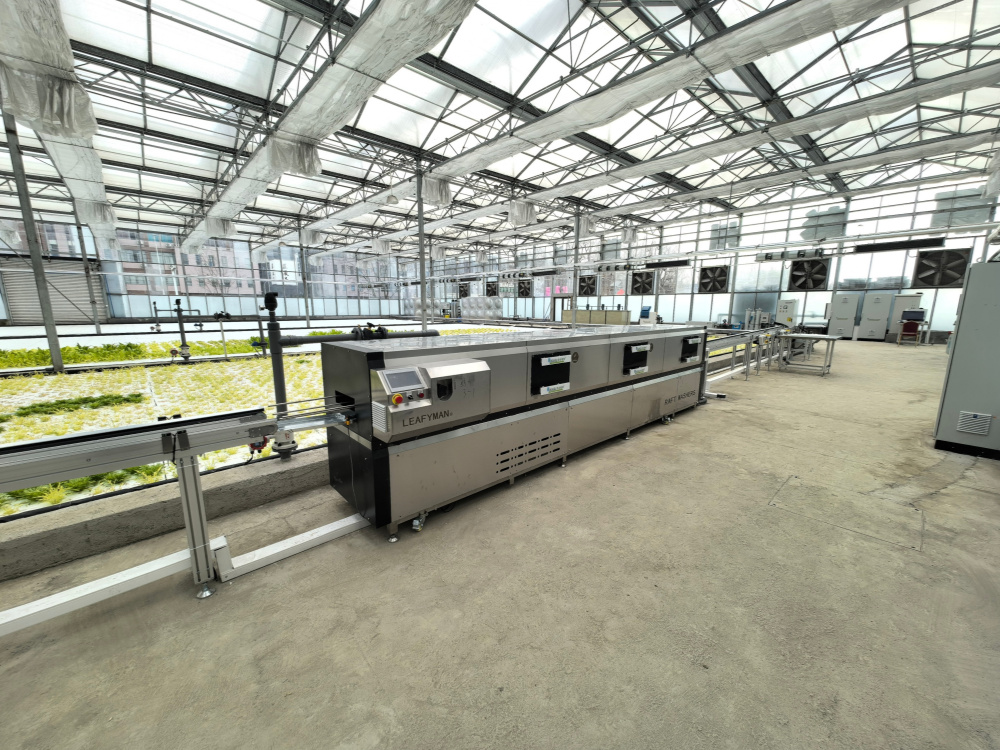
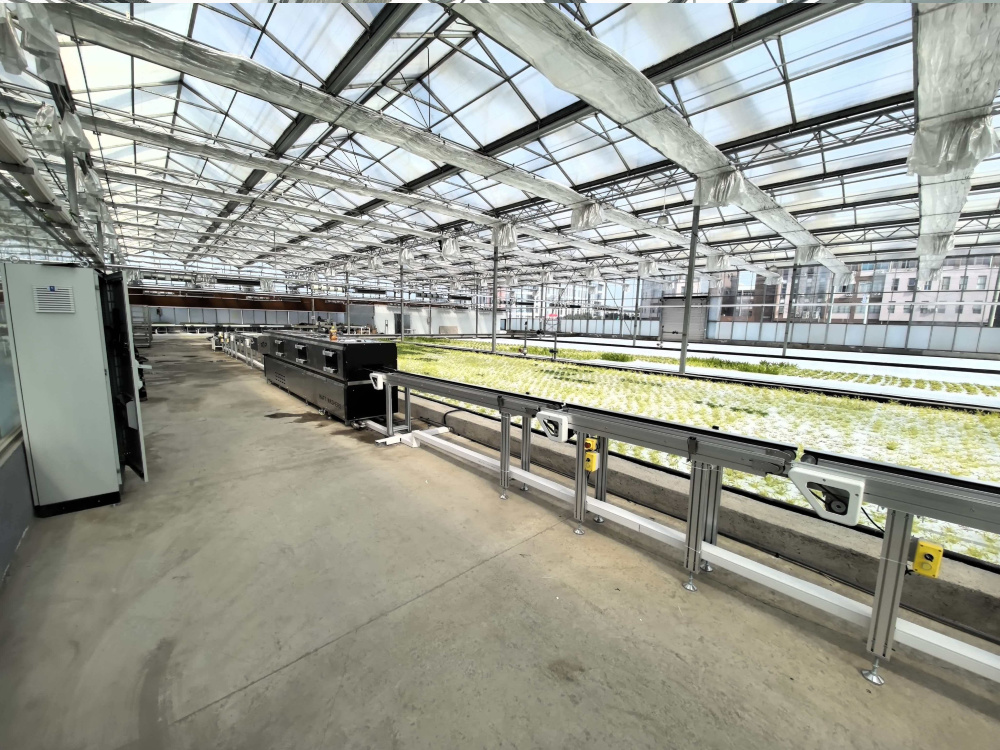
Compared to traditional NFT (Nutrient Film Technique), DFT boasts a deeper liquid layer and stronger buffering capacity; compared to aeroponics, DFT features a simpler structure, lower energy consumption, and broader adaptability. Its "floating" design not only simplifies plant handling but also provides a natural carrier for automated production.
The DFT system provides a "three-phase interface" for the root system:
Liquid phase: 70% of the root system is immersed in the nutrient solution, directly absorbing water and mineral elements;
Gas phase: 30% of the root system is exposed to the air, absorbing oxygen through stomata to prevent hypoxia;
Solid phase: Mechanical support is provided through a fixed planting cup or foam board.
Liquid layer depth and buffering effect
Depth: 5-30 cm, commonly 10-20 cm;
Buffering capacity: large liquid capacity, high specific heat capacity, diurnal temperature difference <2℃, avoiding root stress;
Nutrient reserve: Even if the circulation pump stops briefly, the plant can still absorb nutrients normally for several hours.
Nutrient solution circulation system
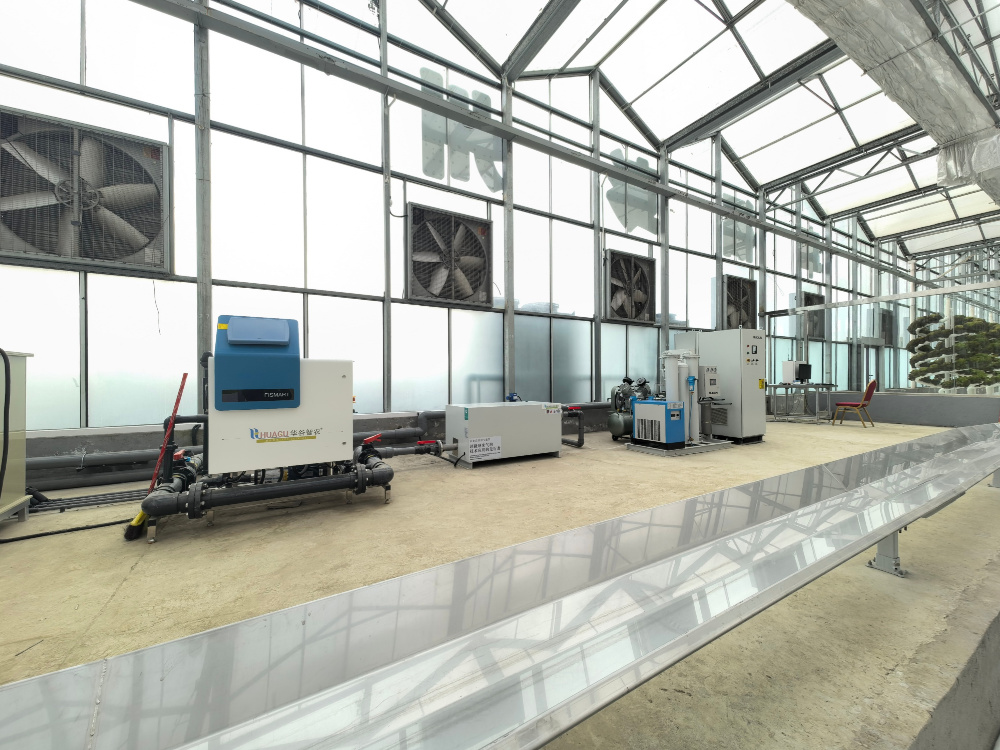
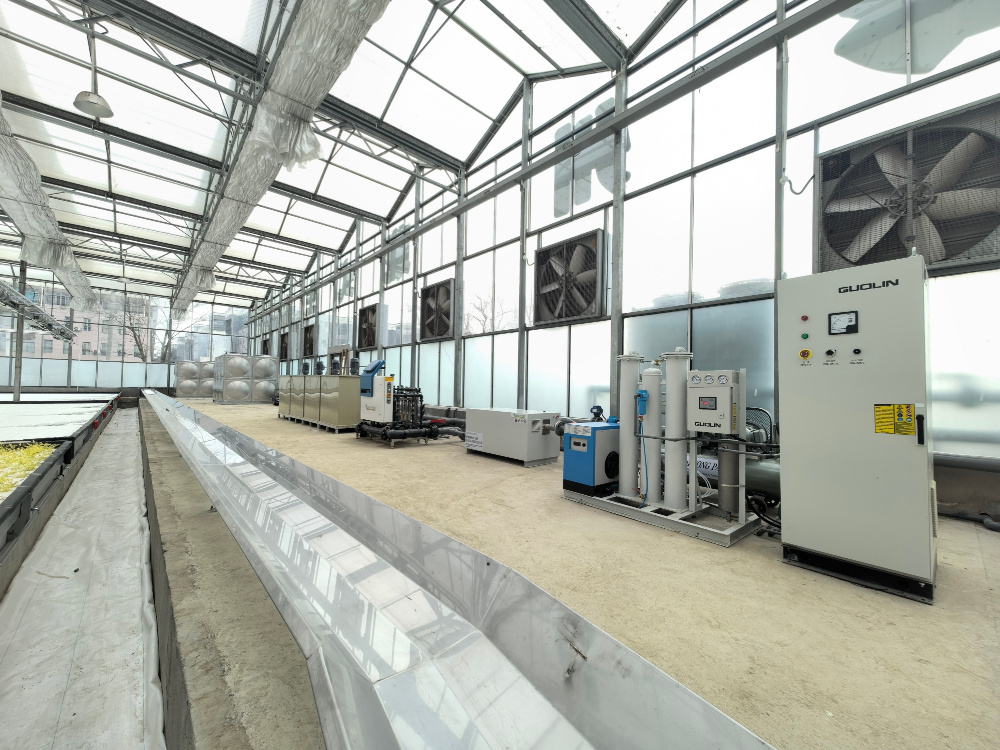
Storage tank: underground or above-ground type, with a capacity designed based on the planting area × 50 L, approximately requiring 12 m³ for 5 acres;
Water pump: variable frequency centrifugal pump or submersible pump, with a flow rate of 10-30 m³/h and a head of 2-5 m;
Pipes: Main pipe PVC-U Φ50-75 mm, branch pipe PE Φ20-25 mm, with flow regulating valve at the end;
Filtration system: Y-shaped filter + sand-gravel filter to prevent blockage of spray nozzles or aeration holes.
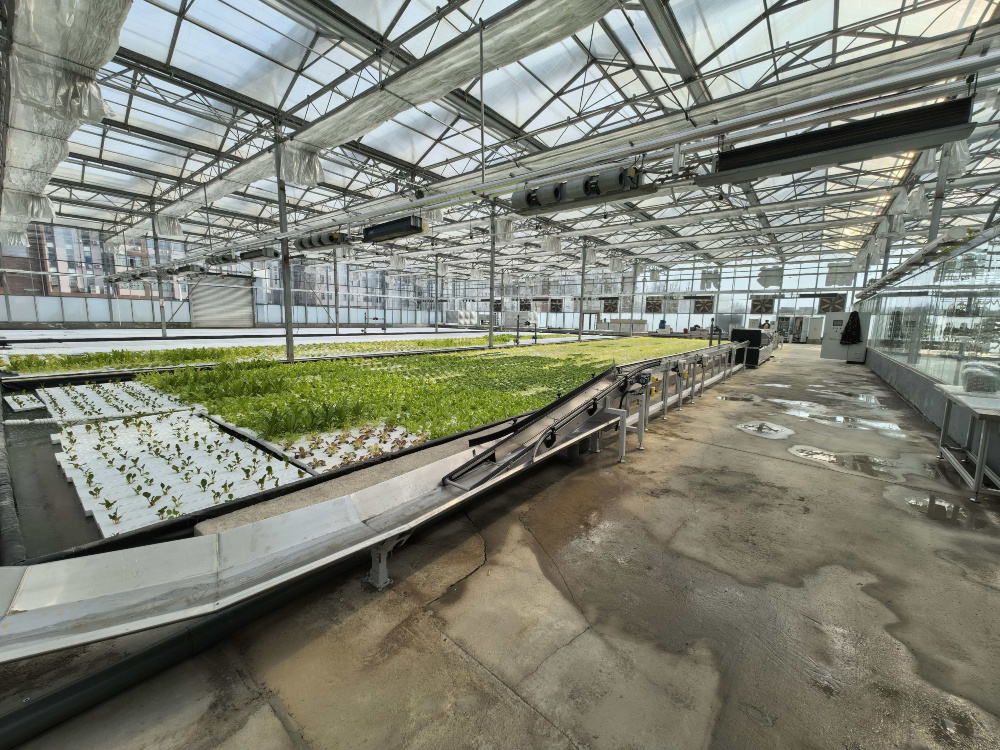
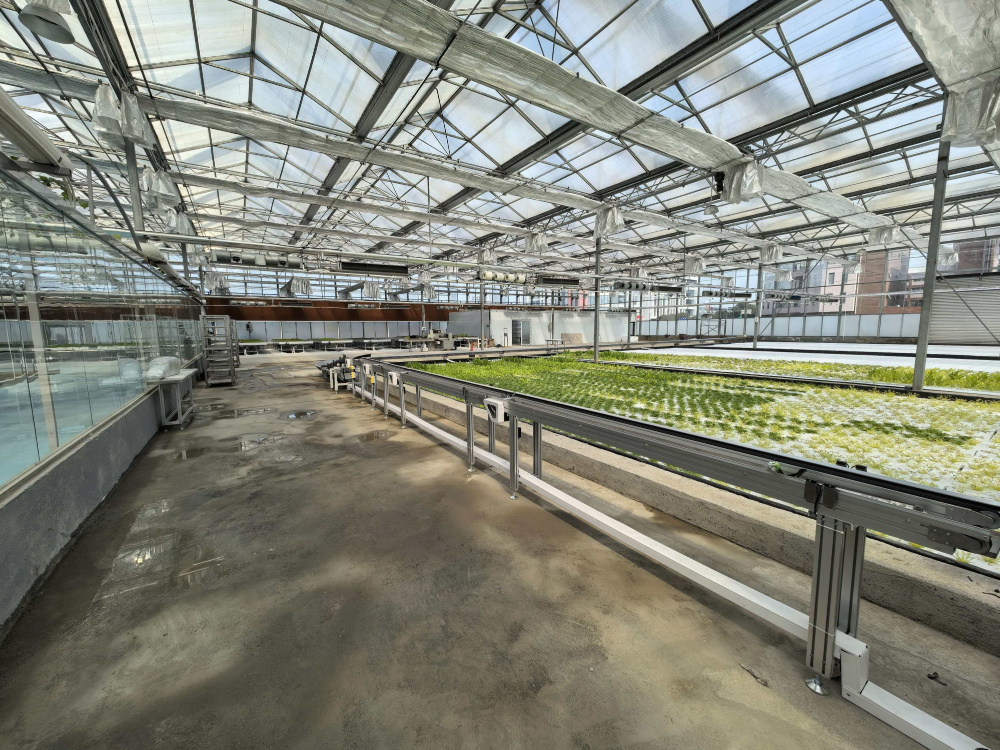
Compared to traditional NFT (Nutrient Film Technique), DFT boasts a deeper liquid layer and stronger buffering capacity; compared to aeroponics, DFT features a simpler structure, lower energy consumption, and broader adaptability. Its "floating" design not only simplifies plant handling but also provides a natural carrier for automated production.
The DFT system provides a "three-phase interface" for the root system:
Liquid phase: 70% of the root system is immersed in the nutrient solution, directly absorbing water and mineral elements;
Gas phase: 30% of the root system is exposed to the air, absorbing oxygen through stomata to prevent hypoxia;
Solid phase: Mechanical support is provided through a fixed planting cup or foam board.
Liquid layer depth and buffering effect
Depth: 5-30 cm, commonly 10-20 cm;
Buffering capacity: large liquid capacity, high specific heat capacity, diurnal temperature difference <2℃, avoiding root stress;
Nutrient reserve: Even if the circulation pump stops briefly, the plant can still absorb nutrients normally for several hours.
Nutrient solution circulation system
Storage tank: underground or above-ground type, with a capacity designed based on the planting area × 50 L, approximately requiring 12 m³ for 5 acres;
Water pump: variable frequency centrifugal pump or submersible pump, with a flow rate of 10-30 m³/h and a head of 2-5 m;
Pipes: Main pipe PVC-U Φ50-75 mm, branch pipe PE Φ20-25 mm, with flow regulating valve at the end;
Filtration system: Y-shaped filter + sand-gravel filter to prevent blockage of spray nozzles or aeration holes.